


“PT Karma Sanmata Energi”
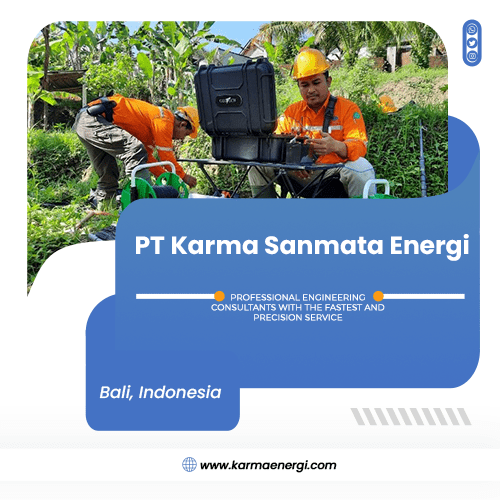
GEOELECTRICAL SURVEY ROCK LITHOLOGY, AND STRATIGRAPHY, AND GROUND WATER
Geoelectrical surveys assess rock lithology, stratigraphy, and groundwater by measuring subsurface electrical resistivity. This non-invasive method aids in identifying rock types, delineating stratigraphic layers, and locating potential groundwater resources. It is crucial for environmental and resource exploration, providing valuable insights into subsurface conditions.

GROUND WATER DRILLING
Groundwater drilling involves extracting water from underground aquifers for various purposes. This process employs drilling techniques to access water reservoirs beneath the earth’s surface. Groundwater drilling is essential for securing a sustainable water supply for agricultural, industrial, and domestic needs. It requires expertise in geological assessments and drilling technology to tap into and manage subsurface water sources effectively. This practice contributes significantly to water resource development and management, ensuring access to clean and reliable water for communities and industries.

SURFACE MAPPING (DRONE MAPPING)
Surface mapping, particularly through drone technology, involves capturing aerial imagery to create detailed maps. Drones collect high-resolution data, aiding in topographic analysis, land surveying, and environmental monitoring. This efficient method enhances mapping accuracy and is widely utilized in diverse fields such as agriculture, construction, and natural resource management.
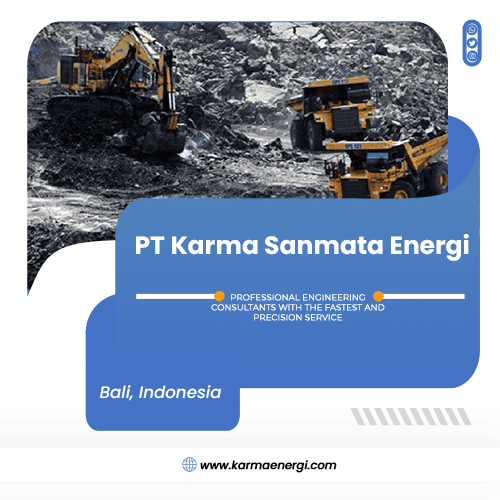
MANAGEMENT OF IUJP (MINING SERVICES BUSINESS LICENSE)
Management of IUJP (Mining Services Business License) involves the issuance and administration of mining licenses in Indonesia. IUJP is required for companies operating in the mining services sector, ensuring compliance with relevant regulations and requirements.

GEOELECTRICAL SURVEY FOR MINERAL EXPLORATION
Geoelectrical surveys assess subsurface electrical resistivity for mineral exploration, efficiently mapping geological structures and identifying ore bodies. This non-destructive method utilizes surface electrodes to inject electric current and measure potential differences, offering valuable insights into subsurface geology within a concise and efficient process.